What to take away
- 01This is how you get paid for the second half of the job: the rehabilitation work after the clearing is done.
- 02An excavator-mounted compactor reaches trenches, batters and benched fill that a plate or roller cannot.
- 03Auger drills are built for continuous duty with replaceable wear parts, which is what makes high-volume repeat drilling viable.
That somebody else is being paid for work you could have quoted, with the machine already on site and the mobilisation already sunk.
This category is not really about soil. It is about scope capture.
What sits in the category
Three tools, all excavator-mounted, all doing ground work rather than vegetation work.
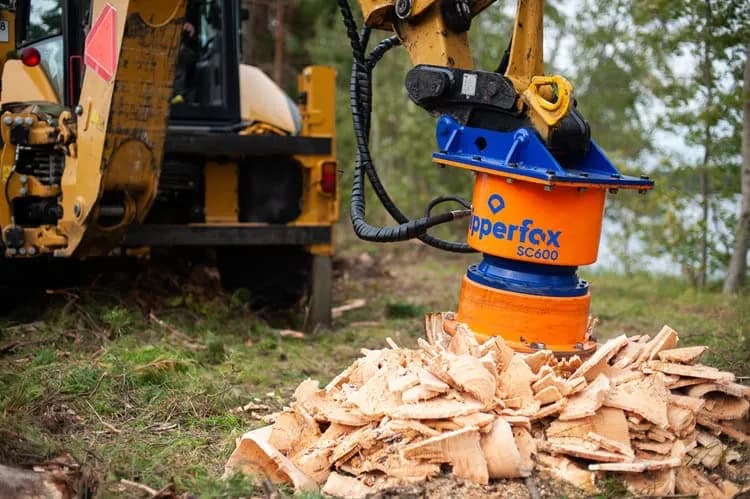
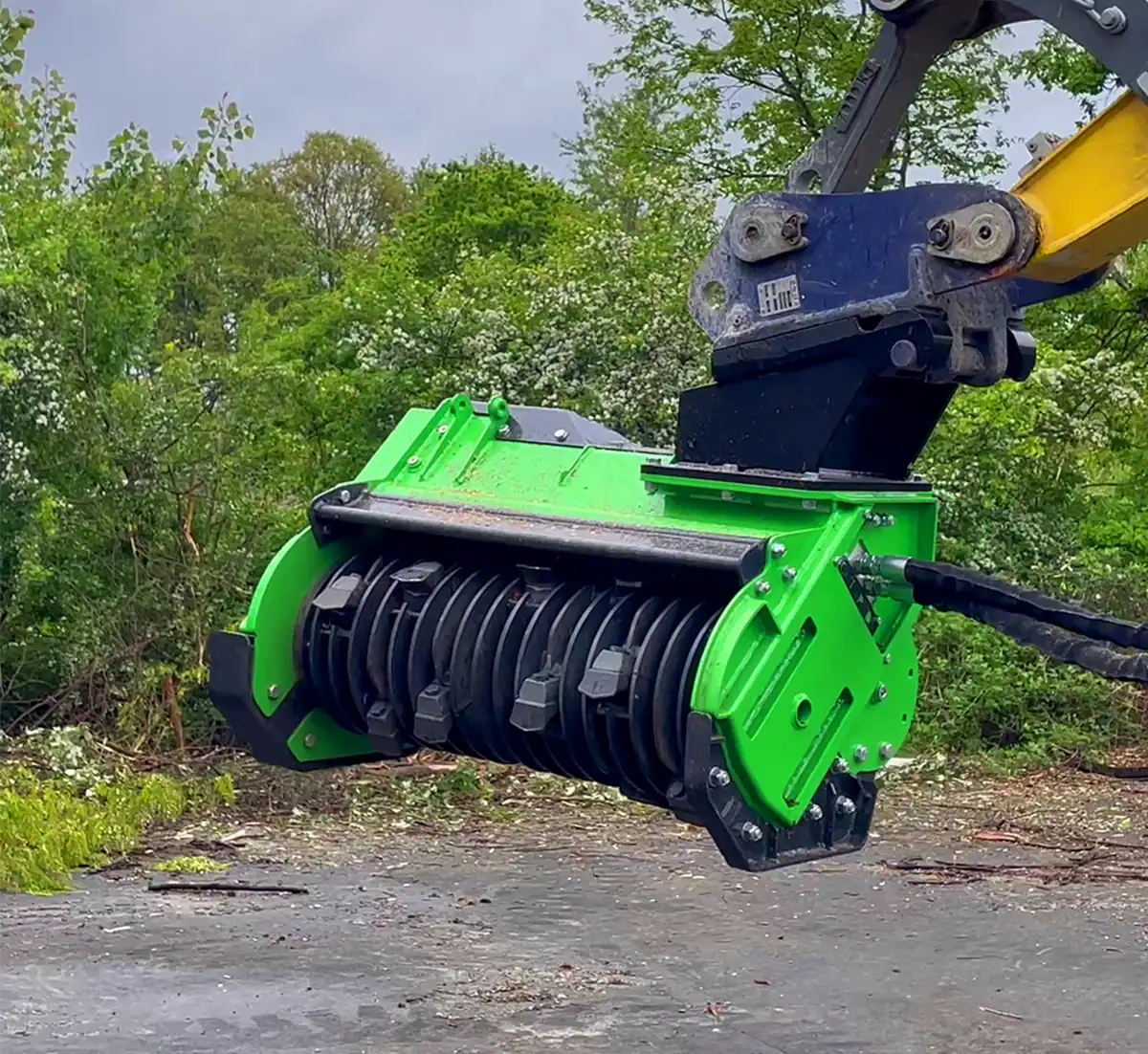
Tillage equipment. Breaks up compacted soil, improves aeration, and prepares ground for agricultural and land preparation work. The direct answer to the compaction your own clearing operation just created.
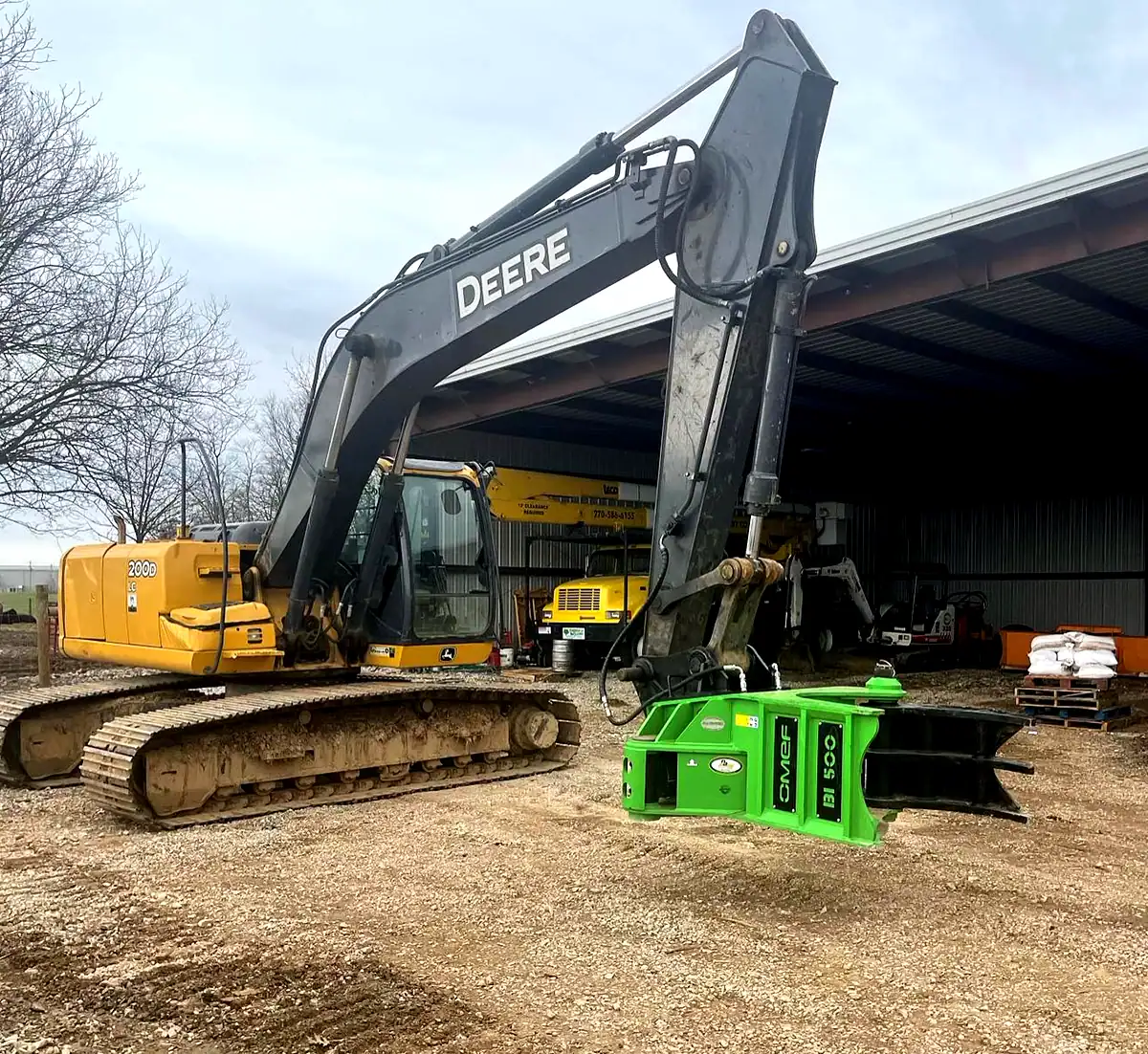
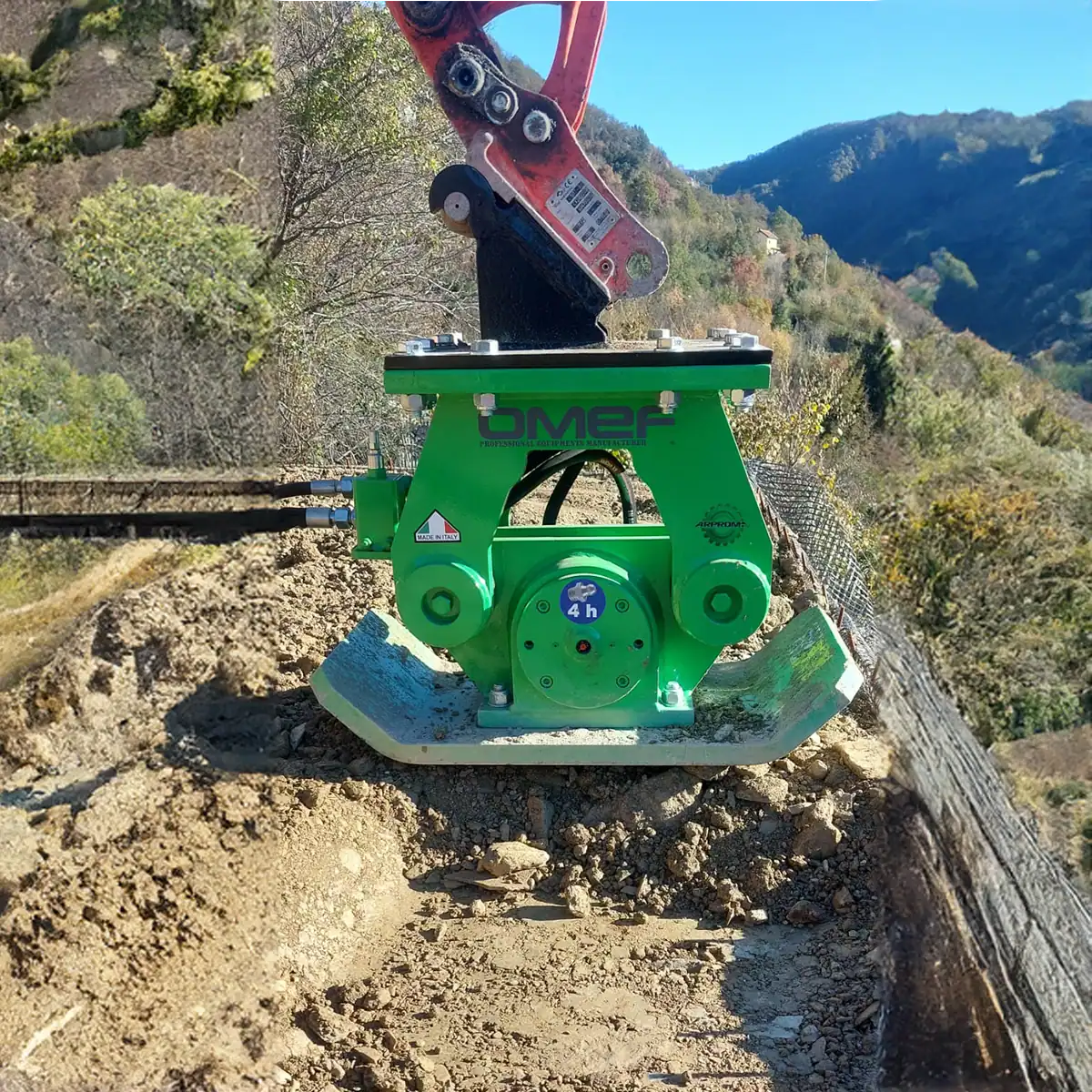
Soil compactor. A hydraulic vibratory plate that densifies soil, gravel, backfill and loose aggregate. Used for construction, trenching, foundation support, pile layer work and paving base preparation.
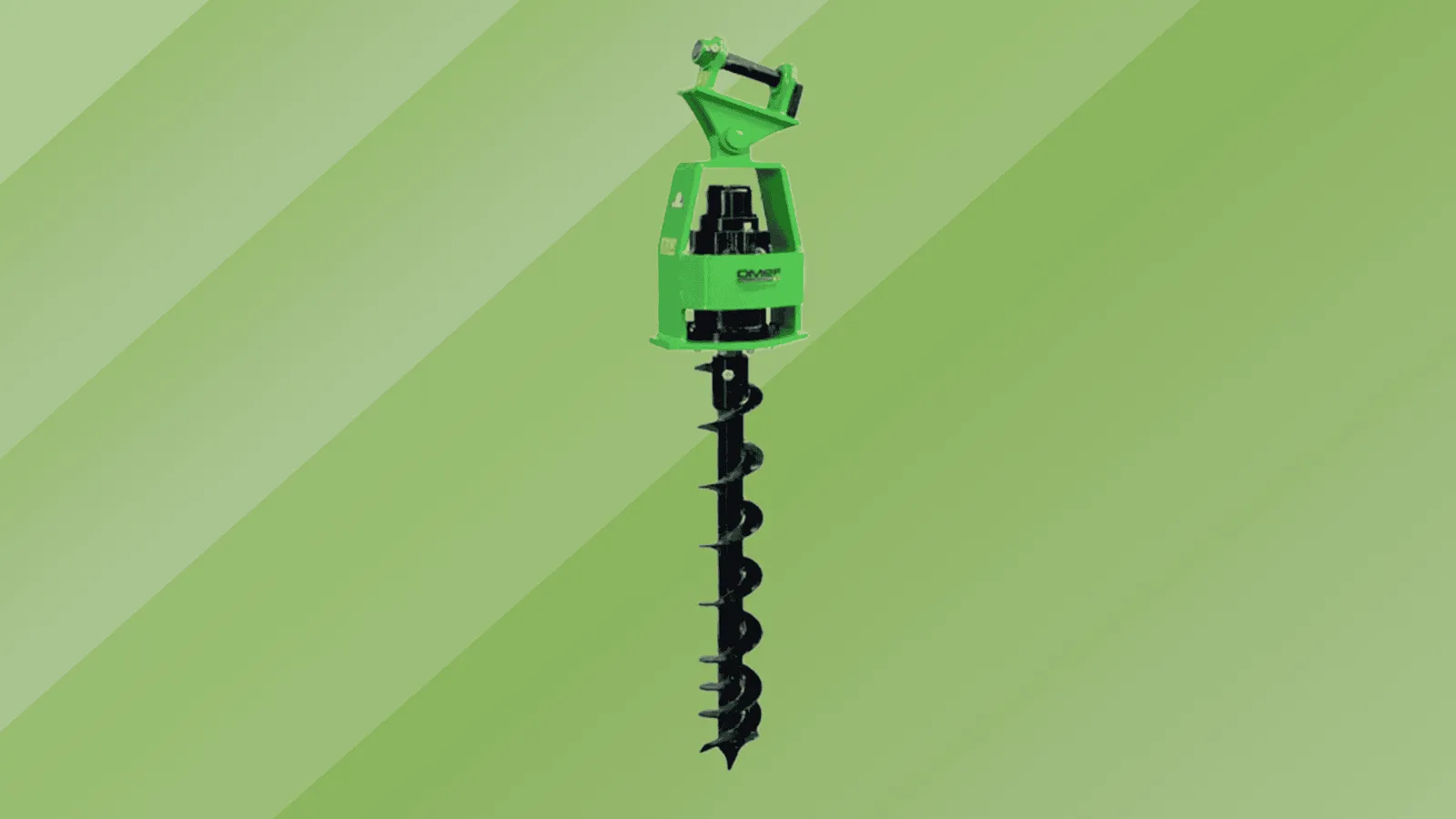
Excavator auger drill. A hydraulic drilling attachment for accurate hole boring in fencing, landscaping, construction, planting and utility work.
Soil Compactor, CPT Series
| CPT180 | CTP425 | CPT910 | |
|---|---|---|---|
| Carrier range | 2 to 5 t | 5 to 9 t | 12 to 20 t |
| Weight | 170 kg | 430 kg | 900 kg |
| Pressure | 100 to 120 bar | 90 to 130 bar | 100 to 170 bar |
| Flow rate | 12 to 20 L/min | 30 to 50 L/min | 50 to 100 L/min |
| Speed | 1,200 to 2,200 rpm | 1,000 to 1,500 rpm | 1,000 to 1,700 rpm |
| Force to ground | 18 t | 50 t | 110 t |
Specifications are supplier-published and subject to change without notice.
The flow figures are the useful part of this table. A CPT180 needs 12 to 20 L/min, which almost any mini excavator with a breaker circuit can supply. That is a very low barrier to entry compared to every other category in this guide.
Why an excavator-mounted compactor rather than a plate or roller
Reach, and safety.
An excavator-mounted unit gets into trenches, behind retaining structures, under pipes, along embankments and into narrow access corridors. It does that without a worker standing in the trench, which is the point. Trench work is where compaction injuries and collapses happen.
It also delivers controlled, consistent compaction depth without repeated passes, because the broad plate distributes energy evenly and reduces air pockets.
Excavator Auger Drill, TRV Series
The auger is the most commercially flexible attachment on this page, because it works far outside forestry.
How it works. The excavator's hydraulic flow drives a heavy-duty planetary gearbox, delivering continuous torque that keeps the bit cutting in dense, compacted or rocky soil. Reinforced flighting, high-strength steel drive components and replaceable wear parts keep drilling quality consistent across high hole counts.
Why the excavator matters. Vertical accuracy. Boom and stick geometry make it straightforward to hold a straight bore on sloped or uneven ground, which handheld and skid steer setups struggle with. Hydraulic backpressure control prevents stalling and protects the gearbox through mixed material like clay transitions, gravel pockets and shallow rock shelves. A reverse function clears blockages and lifts soil out in one motion.
Where it earns:
| Sector | Application |
|---|---|
| Forestry and land management | Planting operations, soil sampling, anchor installation for slope stabilisation |
| Rural | Fencing, post holes, tree planting |
| Construction | Foundation footings, pier holes, retaining wall screws, underpinning |
| Utilities | Pole replacement, drainage installation, signpost bases |
| Renewables | Pile and anchor holes |
That spread is the reason augers have some of the highest utilisation rates of any attachment. It is rarely idle because it is rarely tied to one client type.
The commercial case
Scope capture. You are already mobilised. Quoting rehabilitation, fencing or ground prep on a site you cleared is the cheapest work you will ever win, because mobilisation, site induction and traffic management are already paid for.
Counter-cyclicality. Clearing work is weather and season dependent. Fencing and post-hole work is somewhat less so. Two revenue lines with different cycles smooth the year.
Low hydraulic barrier. Compared to grapple saws and mulchers, these tools ask very little of a carrier. The CPT180 runs on 12 to 20 L/min. Most existing circuits already supply that.
Rehabilitation obligations are increasing. Clearing approvals increasingly carry rehabilitation and revegetation conditions. If the same contractor can deliver both, that is a competitive advantage at tender.
Running cost
Auger teeth and pilot bits. The consumable. Ground-dependent. Rock and gravel are brutal. Replaceable wear parts are the design answer, so confirm that parts are actually stocked in Australia before you rely on it.
Gearbox. The expensive component. Backpressure control protects it, but shock loading from unexpected rock does not care about your control system. Operator technique matters.
Compactor plate and vibration components. The compactor's wear surfaces and vibration assembly. Maintenance is described as straightforward: checks of hydraulic connections, vibration components and the compaction plate.
Carrier. Compaction transmits vibration back up the stick into the machine. Continuous compaction work does accumulate fatigue on carrier structures. It is not a reason to avoid it, but it is a reason to keep an eye on boom and stick weld inspections.
The honest limitations
- Underground services are the dominant risk. Augers and compactors both operate below ground. Before You Dig enquiries and physical service location are part of the job.
- Rock stops augers. Shallow rock shelves can be drilled through with the right bit. Solid rock cannot. Know your geology.
- Compaction is a specified outcome. On engineered fill, compaction has to be tested and certified. Owning the attachment does not make you the person who signs the certificate.
- Attachment choice is bit-driven. The auger head is one purchase. Bits in the diameters you actually need are another, and they add up.
- Tillage is a rehabilitation tool, not a farming tool. Excavator-mounted tillage suits site rehabilitation and land preparation. It is not a substitute for tractor-drawn implements on broadacre.
Buy, hire or subcontract
| Situation | Route |
|---|---|
| Occasional post holes | Hire. Augers are widely available. |
| Recurring fencing, planting or rehabilitation scope | Buy. The utilisation is there. |
| Clearing contractor wanting to quote rehabilitation | Buy the auger first, add compaction second |
| Engineered fill compaction work | Buy, but confirm your testing and certification pathway |
Compliance notes
Quick hitches must meet AS 4772-20081 or an equivalent such as ISO 13031-2016 with a secondary retention system. Underground service location is the controlling risk for both augers and compactors, and should be treated as a stop-work item rather than a checklist tick. Where compaction forms part of an engineered outcome, testing and certification requirements sit with the engineer of record and should be clarified in the contract before you price.
Questions to ask before you sign
- What flow and pressure does this model need, and does my machine supply it at temperature?
- What bit diameters are available, and what do additional bits cost?
- Is the auger bit fitted with replaceable teeth, and are they stocked in Australia?
- Does the compactor model include a double oscillating mounting bracket?
- What is the force to ground figure, and is it appropriate for my specified compaction outcome?
- Does the quote include the machine-specific bracket and hose kit?
The range, up close
Frequently asked questions
01What is an auger drill for excavators used for?
Drilling precise holes for posts, foundations, trees, anchors and other ground preparation. It uses the excavator's hydraulic power through a planetary gearbox to deliver high torque for controlled drilling in varied soil conditions.
02What makes an excavator-mounted auger better than a handheld or skid steer setup?
Vertical accuracy and stability. The boom and stick geometry make it easier to hold a straight bore on sloped or uneven ground, and hydraulic backpressure control prevents stalling in mixed material.
03What is a soil compactor attachment used for?
Compacting soil, gravel and backfill for construction, trenching, foundation support and paving bases. The excavator's reach lets it work in trenches, behind retaining structures and along embankments without workers standing in unsafe positions.
04What size excavator do I need for a soil compactor?
The CPT range covers 2 to 5 tonne machines with the CPT180, 5 to 9 tonne machines with the CTP425 and 12 to 20 tonne machines with the CPT910.
05Are auger drills suitable for heavy-duty use?
Yes. They are built for continuous heavy-duty operation with reinforced flighting and replaceable wear parts, which supports high-volume repeat drilling.
References
- 1Standards Australia / WorkSafe Victoria — AS 4772 — Earth-moving machinery quick hitchesQuick hitch safety system requirement